A founder's case file
Rejected.
Then Approved.
One founder, two US visa interviews, and the six months in between.
Free
PDF · 24 pages
Opened in a new tab. Open the guide again
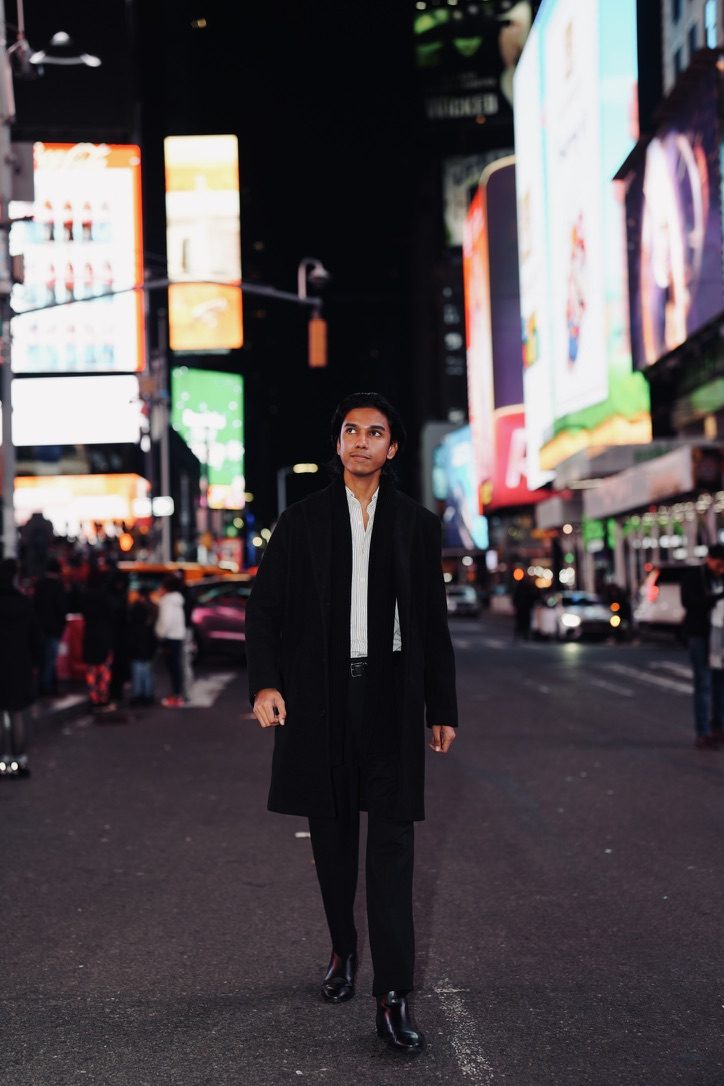
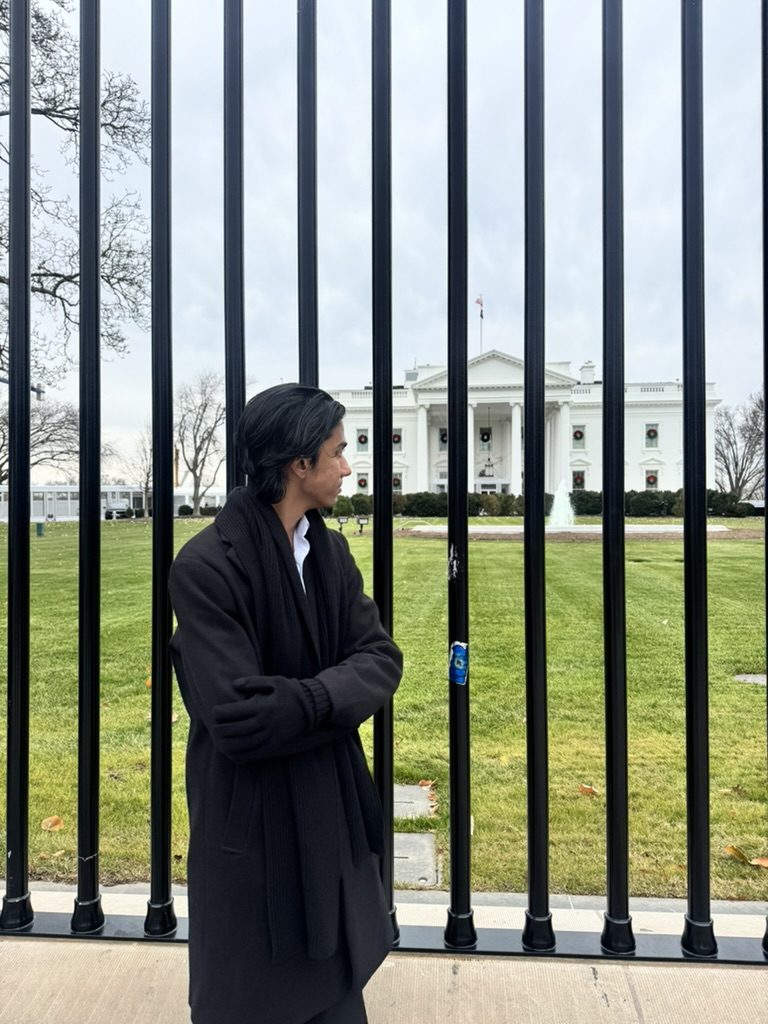
August 2024. Refused. I walked in underprepared: a reason I couldn't say in one clean sentence, and a stack of documents nobody opened. One question, and it was over. It was early morning, and I'm not a morning person. I'd flown in from Bangalore, so I couldn't even be sad in peace: there was a hotel to check out of and a flight home to catch. Somewhere over Andhra Pradesh, with a passport that had nothing new in it, the only thought was why?
February 2025. Approved. Same consulate, same window.
One interview means two visits to the consulate city: biometrics first, then the actual interview. Two attempts meant four trips to Hyderabad for me. This is what I changed in between.
What a former US visa officer told me
After the refusal I paid a former visa officer to go through my case, specifically: what the refusal meant for a founder like me, what to change, how to answer, and how to present my situation on the DS-160. His guidance, and why it worked, is in here. Want him on your case?
If any of this sounds like you
- You run something of your own, with or without a company registered yet.
- You freelance or contract, and there's no salary slip or HR letter to show.
- Your work doesn't fit the form: creator, consultant, a side project that became the main thing.
- You've already been handed a 214(b) and you're wondering what to change.
- You're applying for the first time and would rather not learn this the hard way.
I'm not a consultant and this isn't a system. It's what I wish someone had written down before my first attempt. It's free because one refusal already costs enough: the fee alone is around ₹16,000, non-refundable, before flights and a hotel, and doing all of it twice.
This happens to a lot of us
A Series A founder with a hundred employees. A founder with an investor invite. All posted on X, none of it paid for.
Got denied a US visa today. Reason: "Not enough ties to home country." I built a Series A company from scratch, employ 100+ people, have backing from top VCs and investors, and serve millions of Indian families through our brand. Apparently, that's not enough ties.
My US visa got rejected this morning, and still trying to understand why. I had an invite from a close friend and investor to meet him and potential partners. When asked about the purpose, I said "investor meetings and B2B partnerships." Then came a question on salary. As a founder, my salary is minimal. Shortly after, the visa was rejected.
US visa got rejected. Won't be going to the international drone competition now. Sighh.
And countless more cases.
Inside
- 01The rejection, minute by minute
- 02My DS-160 before and after, with the ex-officer's guidance
- 03The interview that worked: every question, every answer
- 04What two attempts cost
- 05What you can't do on a B1/B2
- 06The founder checklist and what to carry
Free
PDF · 24 pages
Opened in a new tab. Open the guide again
Want the former officer on your case?
Nine years in the US Foreign Service as a visa interviewer and consular section manager. He's the one who worked through my case with me, step by step, and it's why the second interview went the way it did. He does private coaching sessions now.
visainterviewcoach.com → Full coaching session
One small favour: the last field on his form asks "Anything you'd like me to know?" Could you write there? Click it to copy. It's how he knows you came from here, and it helps me keep doing this. Thank you, and good luck at the window.
Full disclosure: if you book him through here, I get a referral fee. I paid him full price, before that was true, and I'd send you to him regardless.
What this isn't
Not legal advice, and not a guarantee. I'm not a lawyer or a consultant; this is one founder's account of two attempts. The decision is always the officer's.